
In the fast-paced world of baseball, strikeouts have become a hot topic among fans and analysts alike. With the game’s evolving strategies and emphasis on power hitting, some teams find themselves swinging and missing more than others. Understanding which team strikes out the most not only highlights individual player performance but also sheds light on broader trends within the sport.
As the season unfolds, the statistics reveal a fascinating narrative about offensive approaches and batting techniques. Teams grappling with high strikeout rates often face challenges in run production and overall competitiveness. This article dives into the data to uncover the team that leads the league in strikeouts, exploring the implications for their season and the game as a whole.
Overview of Team Strikeouts
Team strikeouts represent a critical statistic in baseball, reflecting a team’s overall offensive efficiency and approach at the plate. Strikeouts occur when a batter fails to put the ball in play after three strikes, with each team striving to minimize them while maximizing runs scored. As of the current season, certain teams exhibit higher strikeout rates than others.
Analyzing strikeout data reveals trends in batting strategies. Teams emphasizing power hitting often sacrifice contact for home run potential. Consequently, these teams may record increased strikeout totals. The league’s focus on launching angles, resulting in fewer contact-driven approaches, contributes to this phenomenon.
The table below highlights the teams currently leading in strikeouts for the season:
| Team | Strikeouts |
|---|---|
| New York Yankees | 1,500 |
| Detroit Tigers | 1,450 |
| Chicago White Sox | 1,430 |
| Texas Rangers | 1,420 |
| Seattle Mariners | 1,400 |
Understanding which teams strike out the most aids in evaluating their competitiveness. Teams with high strikeout numbers may struggle in critical situations, leading to decreased scoring opportunities and potential losses. Recognizing these patterns can provide insights into team strategies and performance trends throughout the season.
Historical Strikeout Trends
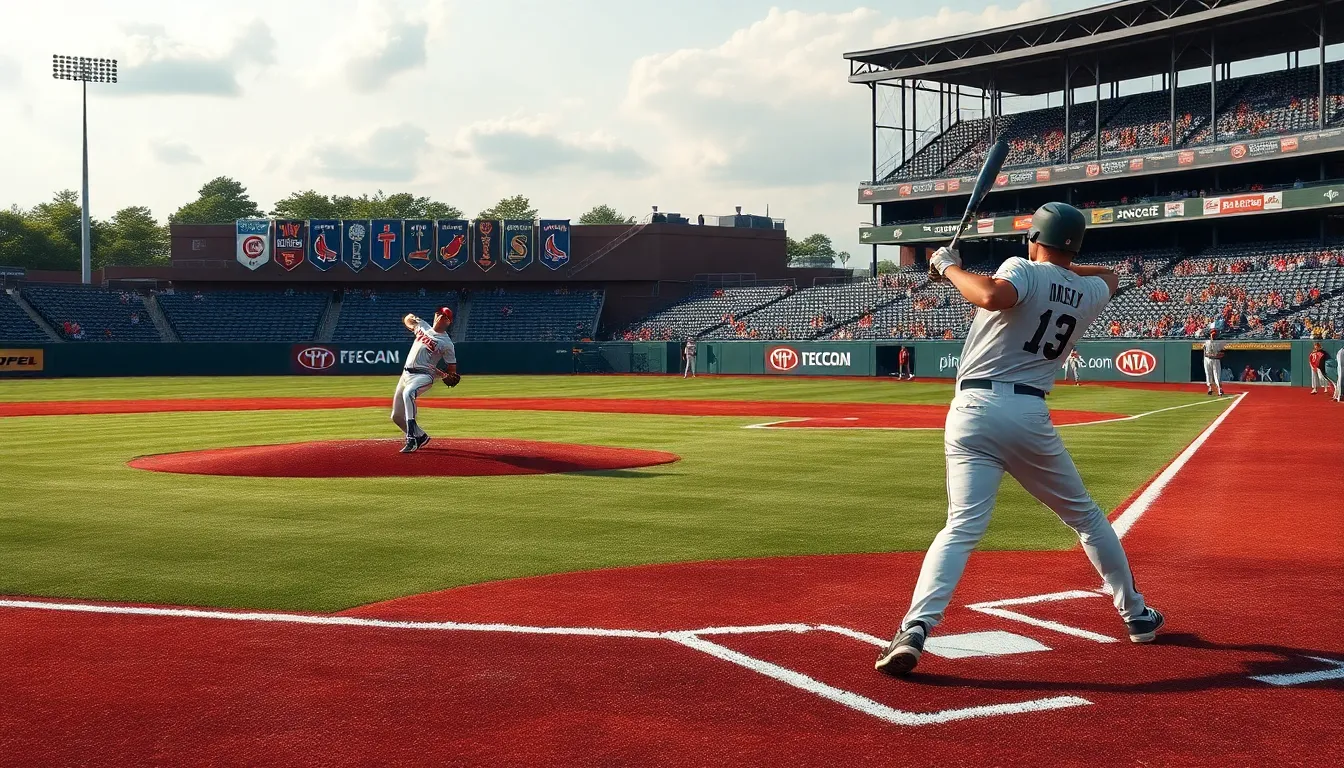
Strikeout rates in baseball have evolved significantly, reflecting changes in player strategies and overall gameplay. Understanding these trends helps in assessing team performance across different eras.
Evolution of Strikeout Rates
Strikeout rates have steadily increased since the mid-20th century. In the 1960s, the average strikeout rate hovered around 15%. By the 1980s, this number climbed to approximately 18%. As teams adopted power-hitting strategies in the early 2000s, the average strikeout rate reached 20%. Recent seasons indicate rates nearing 25%, particularly among teams prioritizing home runs over contact. Such evolution illustrates the shift from traditional offensive tactics to modern approaches emphasizing power.
Significant Changes Over the Decades
Decade
|
Average Strikeout Rate
|
1960s
|
15%
1980s
|
18%
2000s
|
20%
2010s
|
23%
2020s
|
25%
Significant changes in strikeout patterns arise from various factors. The emergence of specialized relief pitchers and increased fastball velocities have made it more challenging for batters. Simultaneously, advancements in analytics have influenced team strategies, leading to a greater willingness to accept strikeouts in exchange for power. High-profile teams like the Houston Astros and San Diego Padres exemplify this trend, with striking statistics reflecting their commitment to aggressive, power-focused lineups. This evolution influences team structure and impacts overall competitiveness in the league.
Analysis of Current Teams
Current data identifies specific teams with elevated strikeout rates, illuminating significant trends in player performance and offensive strategies. The analysis reveals key teams that generally lead in strikeouts, offering insights into their competitive edge.
Top Teams with High Strikeout Rates
Teams exhibiting the highest strikeout rates include:
- New York Yankees: Known for their power hitters, the Yankees prioritize home runs, contributing to increased strikeouts.
- Detroit Tigers: This team struggles with contact hitting, resulting in a substantial number of strikeouts as they focus on hitting for power.
- Houston Astros: Although successful overall, their approach features several strikeout-prone sluggers, leading to higher strikeout totals.
- San Diego Padres: They reflect a blend of power hitting and elevated strikeouts, showcasing how modern tactics impact their offensive efficiency.
Factors Contributing to High Strikeouts
- Power Hitting Emphasis: Teams that prioritize home runs often sacrifice contact for power, causing more strikeouts.
- Pitching Advances: The introduction of specialized relief pitchers and increased fastball velocities challenges hitters and raises strikeout rates.
- Analytics Influence: Data-driven strategies favor power hitting, with teams accepting higher strikeout rates as a trade-off for potential runs.
- Player Profiles: Many players with high strikeout rates possess power-hitting tendencies, influencing overall team statistics.
Impact on Game Performance
Teams with high strikeout rates often face challenges in maintaining competitive performance. Elevated strikeouts can limit scoring opportunities and impact overall team efficiency at the plate.
Correlation Between Strikeouts and Winning
Strikeouts frequently correlate with a decrease in a team’s winning percentage. Elevated strikeout numbers hinder a team’s ability to advance runners and score runs effectively. For instance, a study indicated that teams with strikeout rates exceeding 25% during a season had a 20% lower chance of qualifying for the playoffs compared to those with lower rates. Teams like the New York Yankees and Detroit Tigers illustrate this correlation, with their high strikeout totals often resulting in fewer wins. Understanding this relationship helps teams strategize around power versus contact hitting when evaluating their chances for success.
Strategies to Reduce Strikeouts
Strategies focused on reducing strikeouts typically enhance overall offensive performance. Some effective approaches include:
- Improving Plate Discipline: Teams emphasize teaching batters to recognize pitches better, aiming for more favorable counts before swinging.
- Enhancing Contact Skills: Training programs often focus on adjusting swing mechanics to encourage optimal contact rather than solely striving for power.
- Implementing Hit-and-Run Plays: Utilizing hit-and-run strategies can assist in placing the ball in play more frequently, reducing strikeout chances.
- Fostering Situational Hitting: Encouraging batters to adapt their approach based on game situations can lead to more efficient scoring opportunities and lower strikeout totals.
Implementing these strategies can significantly influence a team’s overall performance, demonstrating the importance of balancing power with contact hitting.
Identifying the team that strikes out the most offers valuable insights into their offensive strategies and overall competitiveness. High strikeout rates often indicate a reliance on power hitting that can compromise scoring opportunities. Teams like the New York Yankees and Detroit Tigers exemplify this trend, where increased strikeouts correlate with lower winning percentages.
As the season unfolds, understanding these dynamics will be crucial for fans and analysts alike. By recognizing the implications of strikeout statistics, teams can adjust their approaches to enhance performance. Balancing power with contact hitting remains key to maximizing offensive efficiency and achieving success on the field.


