Smeg dishwashers bring together Italian craftsmanship and modern kitchen convenience in a way few appliances can match. If someone’s tired of hand-washing or looking to upgrade from a basic builder-grade unit, a Smeg offers bold style without sacrificing cleaning performance. These machines aren’t just about the iconic rounded edges and retro colorways, they’re engineered to handle everything from delicate glassware to heavily soiled pots. This guide breaks down what sets Smeg apart, which models fit different kitchen layouts, and what homeowners should know about installation and upkeep.
Table of Contents
ToggleKey Takeaways
- Smeg dishwashers combine Italian craftsmanship with bold retro design, featuring Orbital Wash Technology that delivers superior cleaning performance across various soil levels.
- A Smeg dishwasher uses as little as 3.2 gallons per cycle with Energy Star certification, reducing water consumption by roughly 30% compared to older models while operating at a quiet 44-48 decibels.
- Smeg offers multiple options including freestanding retro models in iconic colors, compact slimline units for small spaces, and integrated models that hide behind cabinetry for seamless kitchen design.
- Proper maintenance—cleaning the filter every 2-4 weeks, adjusting water softener settings for hard water, and using rinse aid—ensures long-term performance and prevents cloudy glassware or drainage issues.
- Built-in Smeg dishwashers require secure mounting to the countertop and may need custom door panels ($150-$400 extra), while freestanding models only need water and drain connections.
What Makes Smeg Dishwashers Stand Out
Smeg built its reputation on design-first thinking, and their dishwashers reflect that philosophy. The company’s retro aesthetic, think 1950s curves, chrome detailing, and color options like pastel blue, cream, and red, turns a utilitarian appliance into a statement piece. This isn’t just for show. The same attention to detail extends to the interior: stainless steel tubs, adjustable racking systems, and well-engineered spray arms that target stuck-on food.
Beyond looks, Smeg dishwashers use Orbital Wash Technology, which rotates spray arms in multiple directions to cover every dish angle. The result is fewer pre-rinse steps and better coverage on odd-shaped items like colanders or large serving bowls. Most models include a half-load option, letting users run smaller cycles without wasting water, a practical feature for one- or two-person households.
Energy efficiency is another highlight. Many Smeg units carry Energy Star certification, with consumption rates around 3.5 gallons per cycle (comparable to Bosch and Miele models in the same price bracket). That’s roughly 30% less water than older dishwashers from the early 2010s. The trade-off is quieter operation, typically 44 to 48 decibels, which is about the volume of a library conversation.
One honest consideration: Smeg dishwashers sit at the premium end of the market. Expect to pay $1,200 to $2,500+ depending on the model and finish. If budget is tight, brands like Bosch or GE offer solid performance at lower price points. But for homeowners renovating a period kitchen or building a design-forward space, Smeg’s combination of form and function is hard to beat.
Popular Smeg Dishwasher Models and Features
Retro-Style Dishwashers for Design-Forward Kitchens
Smeg’s FAB-style freestanding dishwashers are the brand’s most recognizable lineup. These full-size units (24-inch width) feature the same rounded edges and chrome handles as their iconic refrigerators. Available in colors like black, cream, pastel green, and red, they’re designed to complement vintage-inspired or eclectic kitchens.
Key features include 13 place settings (enough for a family of four), five wash programs (including an Eco mode and a rapid 27-minute cycle), and a height-adjustable top rack. The delay-start timer (up to 24 hours) is useful for running cycles during off-peak electricity hours. One downside: the exterior enamel finish, while durable, can show fingerprints more than stainless steel. A microfiber cloth and occasional wipe-down keep it looking sharp.
For smaller spaces, the retro-style slimline model (18-inch width) fits into galley kitchens or apartments without sacrificing the signature look. It holds 10 place settings, tight, but workable for couples or small families. The slimline version includes the same Orbital Wash system and noise levels around 48 decibels. If someone’s working with limited counter or cabinet space, this model offers the aesthetic punch of the full-size units in a compact footprint suited to smaller kitchens.
Built-In and Integrated Options
For homeowners prioritizing a seamless kitchen design, Smeg’s built-in and fully integrated dishwashers hide behind cabinetry panels. The built-in models feature a visible control panel along the door’s top edge, while integrated units conceal controls entirely on the door’s upper rim (opened only when the door is ajar).
These models offer 15 place settings in the full-size version and come with eight wash programs, including a sanitize cycle that reaches 149°F, hot enough to meet NSF/ANSI Standard 184 for residential dishwashers. This is particularly useful for baby bottles, cutting boards, or anyone managing food allergies.
The FlexiDuo tray system in premium integrated models adds a third level for utensils, freeing up lower-rack space for larger pots and pans. Adjustable tines in both racks fold down to accommodate sheet pans (up to 13 x 18 inches, depending on positioning). Most built-in Smeg units also include a leak detection sensor and automatic shutoff, important for preventing water damage in finished kitchens.
One installation note: integrated dishwashers require a custom door panel cut to match existing cabinetry. This adds $150 to $400 in materials and labor, depending on the cabinet maker. If the kitchen uses frameless (European-style) cabinets, verify hinge compatibility before ordering.
Performance and Efficiency: What to Expect
Smeg dishwashers deliver reliable cleaning across a range of soil levels, though performance varies by cycle selection. The Intensive cycle tackles baked-on casserole dishes and greasy roasting pans, running at higher temperatures (around 155°F) for extended durations, typically 2.5 to 3 hours. For everyday loads, the Normal cycle cleans effectively in about 2 hours with lower water and energy use.
The Eco mode, required for Energy Star testing, uses as little as 3.2 gallons per cycle but takes longer, often 3+ hours, because it relies on extended soak times and lower water temperatures. This cycle is ideal for lightly soiled dishes or overnight runs. Users should note that Eco mode won’t tackle carbonized food or heavy grease without pre-scraping.
Drying performance is a common question. Smeg uses condensation drying rather than a heated element. Humid air condenses on the cooler stainless steel tub walls and drains away. Plastics often come out damp because they don’t retain heat like ceramic or glass. Opening the door slightly at the end of a cycle (many models have an auto-door-open feature) speeds evaporation. It’s not as fast as a heated dry, but it’s gentler on dishes and uses less energy.
Noise levels matter in open-concept homes. Most Smeg models run between 44 and 48 dB, quieter than a dishwasher from the 1990s (which often hit 60+ dB) but slightly louder than ultra-quiet Bosch 300-series units (around 44 dB). During the wash phase, it’s a low hum: during the drain cycle, there’s a brief whir. If the dishwasher backs up to a bedroom or living space where sound matters, consider adding soundproofing insulation during installation.
Water hardness affects cleaning results. Smeg dishwashers include a built-in water softener that uses regeneration salt (not table salt) to prevent mineral buildup. Homeowners in areas with hard water (above 7 grains per gallon) should refill the salt reservoir monthly and adjust the softener setting via the control panel. Skipping this step leads to cloudy glassware and reduced spray arm efficiency over time.
Installation and Maintenance Tips for Homeowners
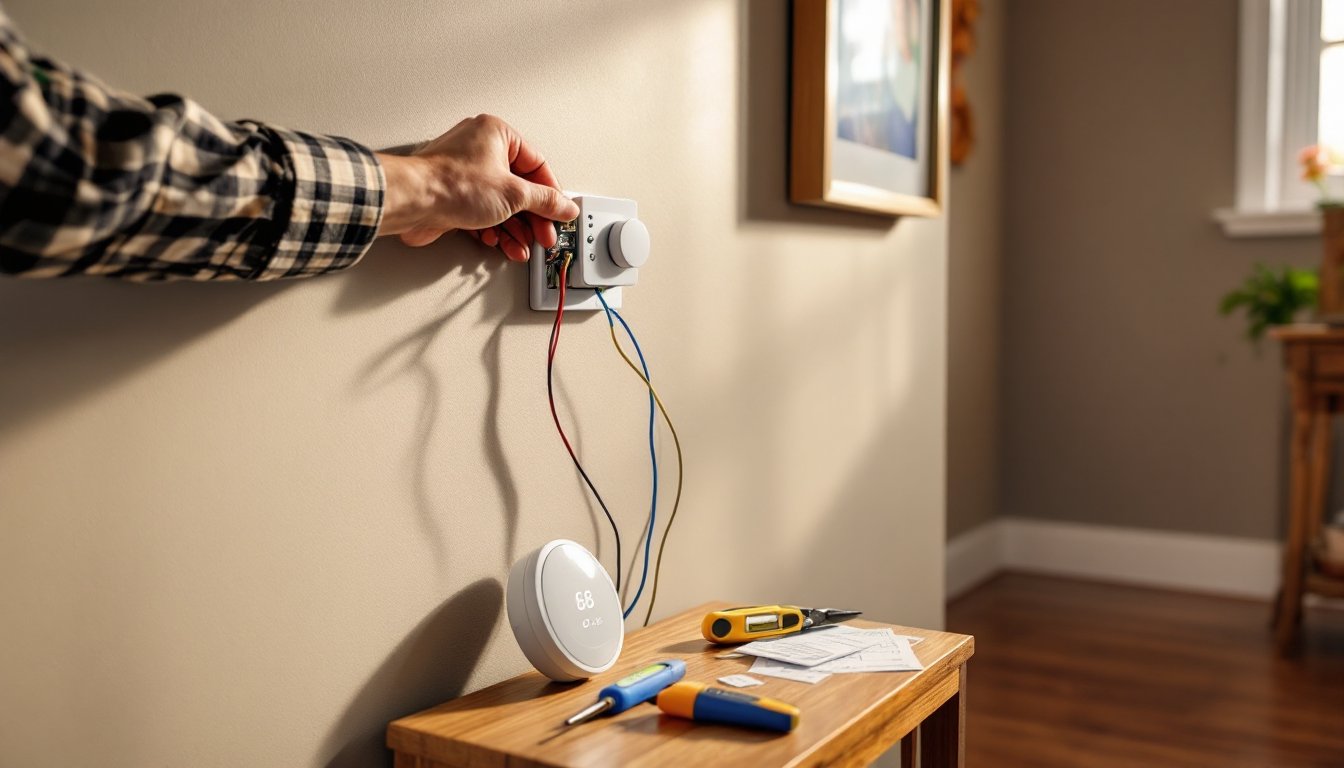
Installing a Smeg dishwasher follows standard procedures, but a few details matter. Most models require a 120V electrical connection (standard kitchen circuit) and a 3/8-inch copper supply line for water. The drain hose connects to the sink’s tailpiece or garbage disposal, make sure to install a high loop (hose arched to underside of countertop) or an air gap to prevent backflow, as required by many local plumbing codes.
Freestanding retro models need only a water supply and drain connection, no cabinet modifications. Built-in and integrated units require securing the dishwasher to the underside of the countertop with mounting brackets (included). Use #8 x 5/8-inch screws into solid wood or add backing if the countertop is granite or quartz without a wooden substrate.
Do not skip leveling. An unlevel dishwasher won’t drain completely, leaving standing water and potential odors. Adjust the four adjustable feet until the unit is plumb front-to-back and side-to-side (use a torpedo level across the door’s top edge). A 1/4-inch slope toward the front is acceptable, but side-to-side tilt will affect door alignment and gasket seal.
Safety first: Turn off the water supply and electrical breaker before beginning any installation. If the home uses a garbage disposal, remove the knockout plug inside the disposal inlet before connecting the drain hose. Forgetting this step is the #1 cause of new dishwasher installation failures.
For maintenance, clean the filter assembly (located at the tub bottom) every two to four weeks. Twist counterclockwise to remove, rinse under hot water, and scrub with a soft brush to remove trapped food particles. A clogged filter reduces spray pressure and leaves residue on dishes. Also, wipe the door gasket monthly with a damp cloth to prevent mold buildup, especially in humid climates.
Run a dishwasher cleaner tablet (such as Affresh or Finish) through an empty cycle every three months to dissolve mineral deposits and grease inside the spray arms and pump. Alternatively, place a cup of white vinegar on the top rack and run a hot cycle, this works nearly as well and costs less.
If the dishwasher isn’t draining, check the filter first, then inspect the drain hose for kinks. A blocked air gap (if installed) is another common culprit. Remove the chrome cap on the air gap (usually mounted at the sink deck) and clear any debris.
Smeg offers a two-year parts and labor warranty on most models, covering defects in materials and workmanship. Extended warranties are available through retailers but read the fine print, many exclude wear items like racks and door seals. For service, Smeg’s U.S. support network is smaller than mainstream brands, so response times may be longer outside major metro areas. Registering the appliance online after purchase ensures faster warranty claims.
One often-overlooked tip: use rinse aid even if the detergent claims to include it. Rinse aid improves drying performance and prevents water spots, especially on glassware. Smeg dishwashers have an adjustable rinse aid dispenser, set it to level 3 or 4 for hard water, level 2 for soft water. Refill when the indicator light comes on, usually every 20 to 30 cycles.
Conclusion
Smeg dishwashers deliver where it counts: distinctive design, solid cleaning performance, and energy-efficient operation. They’re a smart fit for homeowners who want an appliance that does more than hide under the counter, whether that’s a retro freestanding model or a sleek integrated unit. With proper installation, routine filter cleaning, and attention to water hardness, a Smeg dishwasher will handle daily use for years. For more home appliance insights, exploring trusted resources helps match the right model to the kitchen’s needs.