Kitchen renovations top the list of most expensive home improvement projects, but unassembled kitchen cabinets can slash costs without sacrificing quality. Often called RTA (ready-to-assemble) cabinets, these flat-packed units arrive at your door with all components, hardware, and instructions needed to build functional, professional-looking cabinetry. They’re not cheap particle board boxes, many manufacturers use solid hardwood frames, dovetail joinery, and soft-close hardware comparable to pre-assembled options. For homeowners comfortable with basic tools and a Saturday afternoon, unassembled cabinets offer the best balance of affordability, customization, and quality in a kitchen refresh.
Table of Contents
ToggleKey Takeaways
- Unassembled kitchen cabinets cost 30-50% less than pre-assembled units while offering comparable quality through solid hardwood frames, dovetail joinery, and soft-close hardware.
- RTA cabinets ship flat-packed in compact boxes that reduce shipping costs by 40-60% and fit easily through standard doorways and tight spaces without requiring specialized furniture delivery.
- Successful assembly requires accurate measurements, quality material selection (plywood over particleboard), proper hardware specifications, and attention to squareness—most cabinets take 15-40 minutes per unit with basic tools.
- Wall cabinets must anchor into wall studs using cabinet screws and a ledger board, while base cabinets require leveling with shims to prevent rocking and stress on joints.
- Common assembly mistakes—over-tightening fasteners, skipping instructions, ignoring diagonal measurements, and reversing panels—can be prevented by careful planning and following manufacturer guidelines step-by-step.
What Are Unassembled Kitchen Cabinets and How Do They Work?
Unassembled kitchen cabinets arrive as flat-pack kits with pre-cut panels, pre-drilled holes, cam locks or dowels, and all necessary hardware. The box contains everything: side panels, shelves, back panels, door fronts, drawer boxes, hinges, drawer slides, and mounting hardware. Most manufacturers use CNC machinery to ensure precise cuts and hole placement, making alignment straightforward even for first-timers.
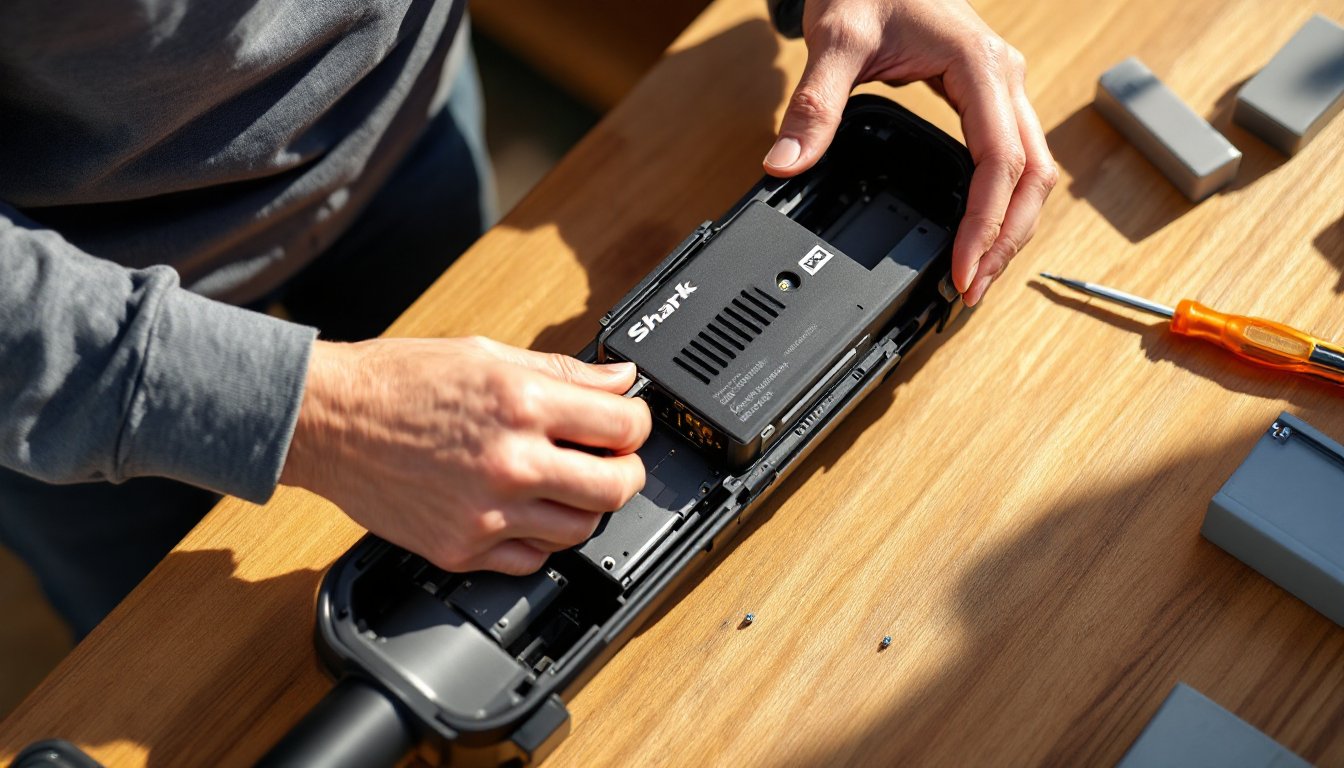
Construction typically involves inserting wooden dowels into pre-drilled holes, tightening cam locks with a screwdriver, and securing panels with confirmat screws. The process resembles large-scale furniture assembly, no table saw or router required. Base cabinets (the floor units) usually take 20-40 minutes each: wall cabinets run faster at 15-25 minutes.
Materials range from plywood carcasses with hardwood face frames to MDF (medium-density fiberboard) boxes with veneer or thermofoil finishes. Quality varies widely: entry-level units may use particleboard with thin laminate, while premium RTA cabinets feature 3/4-inch plywood, solid wood face frames, and under-mount soft-close drawer slides. Check product specs carefully, the material thickness and joinery method determine longevity.
Most unassembled cabinets follow standard kitchen dimensions: base cabinets stand 34.5 inches tall (36 inches with countertop), wall cabinets come in 30-inch, 36-inch, or 42-inch heights, and depths match industry norms (24 inches for base, 12 inches for wall). This standardization means they’ll fit existing kitchen footprints and work with off-the-shelf countertops and appliances.
Why Choose Unassembled Cabinets Over Pre-Assembled Options?
Cost Savings and Budget Benefits
Unassembled cabinets typically cost 30-50% less than identical pre-assembled units. A full kitchen that would run $8,000-$12,000 assembled often drops to $4,000-$6,000 in RTA form. The savings come from reduced labor at the factory and lower shipping costs, manufacturers pass those savings directly to buyers.
The price difference doesn’t mean inferior quality. Many RTA manufacturers produce both formats using the same materials, jigs, and quality control. You’re paying for the assembly labor you’ll provide yourself. For a typical 10-foot by 10-foot kitchen (12-15 cabinets), expect to invest 8-12 hours assembling. That breaks down to roughly $300-$600 per hour saved if you value the price difference against your time.
Budget flexibility matters too. Homeowners can allocate saved money toward higher-end countertops, backsplash tile, or upgraded appliances. Some choose better drawer slides and hinges for their builds, improving functionality where it counts most. The modular nature also allows phased purchases, buy and install cabinets room-by-room as budget allows rather than financing the entire project upfront.
Shipping and Storage Advantages
Flat-pack cabinets ship via standard ground carriers (FedEx, UPS, or freight) rather than requiring specialized furniture delivery. A fully assembled base cabinet measures roughly 24 inches deep by 36 inches tall by 18-36 inches wide, bulky and prone to damage in transit. The same cabinet flat-packed fits in a box 6-8 inches thick, reducing shipping costs by 40-60% and damage risk significantly.
Storage becomes practical when renovating in stages. Unassembled boxes stack in a garage or basement corner, taking up minimal space until installation day. Pre-assembled cabinets require dedicated storage space and careful handling to prevent dings, scratches, or joint damage. For homeowners managing projects around work schedules or waiting for contractors, this flexibility proves invaluable.
Delivery to upper floors or tight spaces also favors flat-packs. Maneuvering a 36-inch-wide assembled cabinet up a narrow staircase or around a tight corner often requires removing doors, risking damage, or hiring extra hands. Flat boxes weigh 30-60 pounds each and fit through standard doorways easily, one person can usually handle delivery and positioning.
How to Select the Right Unassembled Kitchen Cabinets for Your Project
Start with accurate measurements of your kitchen footprint: wall lengths, ceiling height, window and door locations, and appliance dimensions. Draw a basic floor plan noting plumbing and electrical locations, these determine sink base and appliance cabinet placement. Standard kitchen layouts follow the work triangle principle (sink, stove, refrigerator), but modern designs often prioritize workflow zones instead.
Material selection drives both budget and durability. Plywood carcasses resist moisture better than particleboard, critical near sinks and dishwashers. Solid wood face frames (typically poplar, oak, or maple) add strength and provide a sturdy surface for hinge mounting. Avoid cabinets with particleboard sides thinner than 5/8 inch, they sag under load and strip out when mounting hardware. Many manufacturers inspired by European cabinet systems use frameless construction with thicker side panels and integrated mounting systems.
Door style and finish affect both aesthetics and maintenance. Shaker-style doors (flat center panel with square frame) work in traditional and modern kitchens and hide wear well. Slab doors (flat, no frame) suit contemporary spaces but show every fingerprint. Finish options include painted MDF (smooth, consistent), stained wood (shows grain, requires touch-ups), and thermofoil (vinyl wrap over MDF, durable but can’t be refinished). Match your choice to your commitment level, painted cabinets need recoating every 8-10 years: quality stain lasts 15-20 with proper care.
Hardware quality separates budget from premium cabinets. Look for under-mount drawer slides rated for 75-100 pounds with soft-close mechanisms, side-mount slides sag and bind over time. Six-way adjustable hinges (European-style cup hinges) allow fine-tuning after installation: fixed hinges offer no room for error. Cam locks and confirmat screws create stronger joints than dowels alone. Request hardware specs before purchasing, cheap hinges fail within 2-3 years.
Verify that cabinet dimensions match your layout. Most manufacturers offer 3-inch filler strips for gaps and scribing strips for uneven walls, but confirm availability. Corner cabinets require special attention: lazy Susan units maximize access but need precise alignment, while blind corner cabinets waste some space but install more forgiving.
Step-by-Step: Assembling Your Kitchen Cabinets Like a Pro
Gather tools before starting: cordless drill/driver, Phillips and square bits, rubber mallet, tape measure, carpenter’s square, and clamps. Some kits require a confirmat drill bit (stepped bit for European screws), check instructions first. Work on a clean, flat surface like a workbench or floor protected with cardboard. A second surface for organizing hardware prevents lost parts.
Safety gear matters: Wear safety glasses, cam locks can slip and send screwdrivers into your face. Work gloves prevent splinters when handling raw plywood edges.
-
Inventory all parts against the packing list immediately. Missing a back panel or hinge now beats discovering it mid-assembly. Separate hardware by type using small containers or labeled bags.
-
Start with the box assembly. Lay one side panel flat (finished side down). Insert dowels into pre-drilled holes, tap gently with a rubber mallet until fully seated. They should protrude roughly half their length.
-
Attach the bottom panel by aligning dowels with corresponding holes, then tapping into place. Install cam locks in their designated holes (usually on panel edges) and twist clockwise with a screwdriver until tight, you’ll feel resistance when properly seated. Don’t overtighten: the metal cams can strip the surrounding material.
-
Add the back panel. Most RTA cabinets use 1/4-inch plywood or MDF that slides into a routed groove or secures with small nails or staples. The back panel squares the cabinet, so check diagonal measurements, corner to corner should be equal (within 1/8 inch). Adjust before fastening.
-
Install the face frame (if applicable) using the provided screws or glue and clamps. Face frames should sit flush with the box edges. Wipe excess glue immediately with a damp cloth.
-
Mount drawer slides to cabinet sides following the manufacturer’s template. Accurate placement here determines drawer operation. Most under-mount slides require 1/2-inch clearance from the cabinet bottom for the first drawer. Use a square to keep slides perpendicular to the cabinet front.
-
Attach hinges to doors before mounting doors to cabinets. Cup hinges require a 35mm Forstner bit for the circular recess, most RTA doors come pre-drilled. Screw the hinge arm to the door, then clip into the mounting plate inside the cabinet. European hinges allow adjustment in three directions after installation.
-
Add shelves and shelf pins. Adjustable shelves rest on plastic or metal pins inserted into pre-drilled holes. Use a tape measure to ensure pins sit at equal heights on both sides, a tilted shelf screams amateur work.
Assemble all cabinets before installation. Spreading the work across a weekend prevents fatigue mistakes. Many woodworking resources emphasize dry-fitting components before final assembly, a smart practice when instructions are unclear.
Wall installation requires locating studs with a stud finder and marking locations. Kitchen wall cabinets must anchor into studs, drywall alone won’t support the weight. Start with upper cabinets (easier without base cabinets in the way), using a ledger board (temporary 1×3 or 1×4 screwed to studs) to support cabinets at the correct height (typically 54 inches from floor to cabinet bottom for an 18-inch backsplash). Level each cabinet, clamp adjacent units together, then drive 3-inch cabinet screws through mounting rails into studs. Remove the ledger board after all uppers are secured.
Base cabinet installation begins with the corner unit. Level front-to-back and side-to-side using shims under the cabinet base, most floors aren’t perfectly level. Screw cabinets together through side walls, then anchor to wall studs through the back mounting rail. Run a level across multiple cabinets to ensure consistent height before securing.
Common Mistakes to Avoid When Working with Unassembled Cabinets
Skipping the instructions causes most assembly failures. Even experienced DIYers should skim the manual, manufacturers use different cam lock orientations, shelf pin spacing, and hinge mounting systems. What worked on your last project may not apply here.
Over-tightening fasteners cracks MDF and strips particleboard. Cam locks only need 1/4 to 1/2 turn past snug. Confirmat screws should feel tight but not require excessive force. If you’re leaning into the drill, you’ve gone too far.
Ignoring squareness creates cabinets that twist or bind. Check diagonal measurements after attaching three sides, adjust before adding the back panel. Out-of-square cabinets won’t align with neighbors during installation, leaving visible gaps.
Reversing left and right panels wastes time and risks damaging pre-drilled holes. Panels often look identical until you notice dowel holes don’t align. Lay out all components and verify orientation before inserting any fasteners.
Forcing misaligned parts damages dowels and cams. If panels won’t seat easily, check for trapped hardware, reversed panels, or debris in dowel holes. Patience here prevents splitting panels or stripping cam locks.
Installing without shims leaves base cabinets rocking on uneven floors. Shims (tapered cedar or composite wedges) level cabinets and prevent stress on joints. Trim shims flush with a utility knife after securing cabinets.
Forgetting to account for door swing creates functionality issues. Cabinet doors need clearance, corner cabinets require careful planning so doors don’t collide when opened. Wall cabinets near ranges shouldn’t swing over burners (fire hazard).
Mounting wall cabinets into drywall alone invites catastrophic failure. A cabinet full of dishes weighs 100-200 pounds. Use a stud finder and anchor into studs with proper cabinet screws. If studs don’t align with cabinet mounting holes, install a French cleat system or horizontal mounting rail that spans multiple studs.