Hard water is relentless. It leaves white film on faucets, shortens appliance life, and turns laundry stiff. For homeowners tired of wrestling with mineral buildup, a tankless water softener offers a compact, efficient solution that treats water as it flows, no massive brine tank taking up half the basement. Unlike traditional softeners, these systems deliver conditioned water on demand, fitting into tight mechanical rooms and modern homes where space is at a premium. This guide walks through how tankless softeners work, their advantages and trade-offs, and what to consider before installation.
Table of Contents
ToggleKey Takeaways
- A tankless water softener eliminates the need for bulky brine tanks by treating water inline using salt-free conditioners or compact ion-exchange technology, saving 3-4 square feet of basement or utility room space.
- Salt-free conditioners prevent scale buildup through crystallization without removing minerals, while compact ion-exchange tankless units actively remove hardness minerals but regenerate more frequently than traditional systems.
- Tankless water softeners are ideal for moderate hardness levels (7-12 GPG) and homes with space constraints, though households with severe hardness (above 15 GPG) may require a traditional ion-exchange softener for complete mineral removal.
- Installation of salt-free conditioners is straightforward for confident DIYers (2-3 hours), while ion-exchange models require professional installation due to drain line, electrical connections, and local plumbing code requirements.
- Maintenance is significantly simplified with salt-free models requiring only media cartridge replacement every 3-5 years, compared to traditional softeners that demand monthly salt checks and regular backwash cycles.
- A water test to determine hardness level, flow rate calculations based on household fixtures, and NSF/ANSI certifications are essential steps before selecting and installing a tankless water softener for your home.
What Is a Tankless Water Softener and How Does It Work?
A tankless water softener conditions water without storing it in a large resin tank. Instead of the bulky two-tank setup found in traditional systems, one for resin, one for brine, tankless models use alternative technologies to treat hardness minerals inline as water passes through.
Most tankless systems fall into two categories: salt-free conditioners and compact ion-exchange units. Salt-free models use template-assisted crystallization (TAC) media, which converts dissolved calcium and magnesium into microscopic crystals that can’t adhere to pipes or appliances. This doesn’t technically remove minerals (so water remains “hard” by lab standards), but it prevents scale buildup.
Compact ion-exchange tankless softeners do remove minerals, but they use smaller resin chambers and regenerate more frequently. They still require salt for regeneration, but the footprint is dramatically reduced compared to conventional softeners.
Flow rate matters. Tankless units are rated in gallons per minute (GPM). A typical household needs 10–15 GPM to handle simultaneous showers, dishwashers, and laundry. Check the system’s peak flow capacity against your home’s demand, especially if you have multiple bathrooms or high-efficiency appliances that cycle water quickly.
Understand what you’re getting: if the unit is truly salt-free, it’s a conditioner, not a softener. Soft water, measured in grains per gallon (GPG), means minerals are removed. Conditioned water means minerals are neutralized but still present.
Key Benefits of Installing a Tankless Water Softener
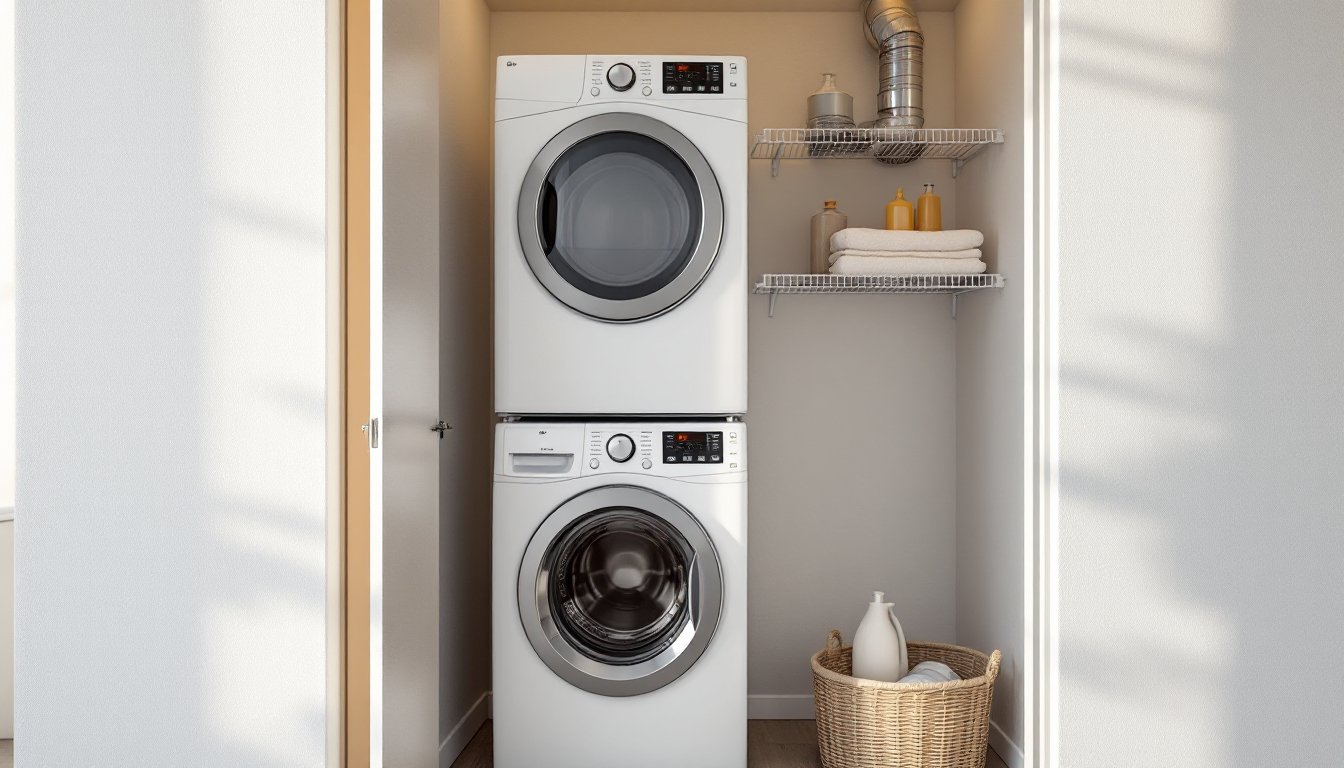
Space efficiency is the standout advantage. Traditional softeners occupy 3–4 square feet of floor space. Tankless models mount on the wall or tuck into a utility closet, freeing up room for water heaters, HVAC equipment, or storage.
Lower upfront water usage during regeneration is another win. Conventional softeners flush 50–100 gallons of water during each backwash cycle. Compact tankless ion-exchange units regenerate with significantly less water, and salt-free models don’t regenerate at all, they require no backwash, no drain line, and no salt deliveries.
Appliance longevity improves when scale doesn’t coat heating elements. Tankless water heaters, dishwashers, and washing machines last longer and run more efficiently without mineral crust choking their internals. That translates to fewer service calls and lower energy bills, particularly in regions with hardness above 10 GPG.
Installation flexibility increases with a smaller footprint. Tankless softeners can be installed in crawl spaces, laundry rooms, or even garages where a 200-pound brine tank would be impractical. Some models are rated for outdoor installation in temperate climates, provided they’re shielded from freezing.
Maintenance is simpler. Salt-free conditioners need a media change every 3–5 years but require no monitoring between changes. Compact ion-exchange models still need salt, but smaller hoppers mean less lifting and easier refills. Many include built-in flow meters or Wi-Fi monitoring, so homeowners get alerts before running out of capacity.
Tankless Water Softener vs. Traditional Tank Systems: Which Is Right for You?
Capacity is where traditional systems dominate. A standard residential softener handles 30,000–60,000 grains of hardness between regenerations. Tankless models, especially salt-free conditioners, don’t remove minerals, they prevent scaling. For households with severe hardness (above 15 GPG), a traditional ion-exchange softener provides measurable reduction that soap, skin, and appliances will notice.
If space is tight and hardness is moderate (7–12 GPG), a tankless unit makes sense. It won’t deliver the slippery feel of fully softened water, but it will protect plumbing and fixtures without monopolizing square footage.
Regeneration differs sharply. Traditional systems regenerate on a timer or meter, flushing brine through resin beads to strip captured minerals. This requires a drain connection and uses significant water. According to DIY plumbing guides, running a drain line through finished basements or slab foundations can add labor and cost. Tankless salt-free models bypass this entirely, they don’t regenerate, so no drain, no electricity for a timer, and no salt.
Water quality goals matter. If the goal is true soft water, zero hardness, luxurious lather, spot-free dishes, only an ion-exchange system (traditional or compact tankless) will deliver. If the goal is scale prevention and lower maintenance, a salt-free conditioner does the job without the plumbing complexity.
Budget plays a role. Tankless salt-free conditioners range from $500–$1,500. Compact ion-exchange tankless units run $800–$2,000. Traditional tank softeners cost $400–$2,500 depending on capacity, but installation labor can add another $300–$800 if plumbing modifications are needed. Weigh the installed cost against your household size, water usage, and hardness level.
Choosing the Best Tankless Water Softener for Your Home
Start with a water test. Home test strips provide a rough hardness reading, but a lab test (available through county extension offices or home service platforms) reveals iron, manganese, and pH, all of which affect softener performance. Iron above 0.3 ppm clogs resin: high manganese requires pre-filtration: low pH demands a neutralizer before the softener.
Match flow rate to household demand. Count fixtures: each bathroom typically uses 2.5–5 GPM during peak use (shower + sink). Kitchens add another 2–3 GPM. Laundry adds 3–4 GPM. Add these up and choose a system rated 20–30% above your calculated peak to avoid pressure drops.
For salt-free conditioners, look for systems using TAC or NAC (nucleation-assisted crystallization) media certified to NSF/ANSI Standard 61 for material safety. Some brands claim “salt-free softening,” but if they don’t remove hardness minerals, they’re conditioners. That’s not a flaw, it’s a different approach. Just know what you’re buying.
For compact ion-exchange tankless units, verify grain capacity and regeneration frequency. A 10,000-grain unit regenerating daily works for a small household, but larger families may find frequent regeneration cycles inconvenient. Check if the unit regenerates based on actual water use (metered) or a fixed schedule (timer). Metered is more efficient.
Certifications provide assurance. NSF/ANSI 44 is the standard for ion-exchange softeners. NSF 61 covers materials in contact with drinking water. WQA Gold Seal certification indicates third-party testing. Avoid units with vague claims and no verifiable testing.
Consider warranty and support. A 5–10 year warranty on the valve and tank is standard. Media (resin or TAC beads) may have a separate coverage period. Confirm that replacement parts are readily available and that the manufacturer offers technical support, especially if you’re installing it yourself.
Installation and Maintenance: What Homeowners Need to Know
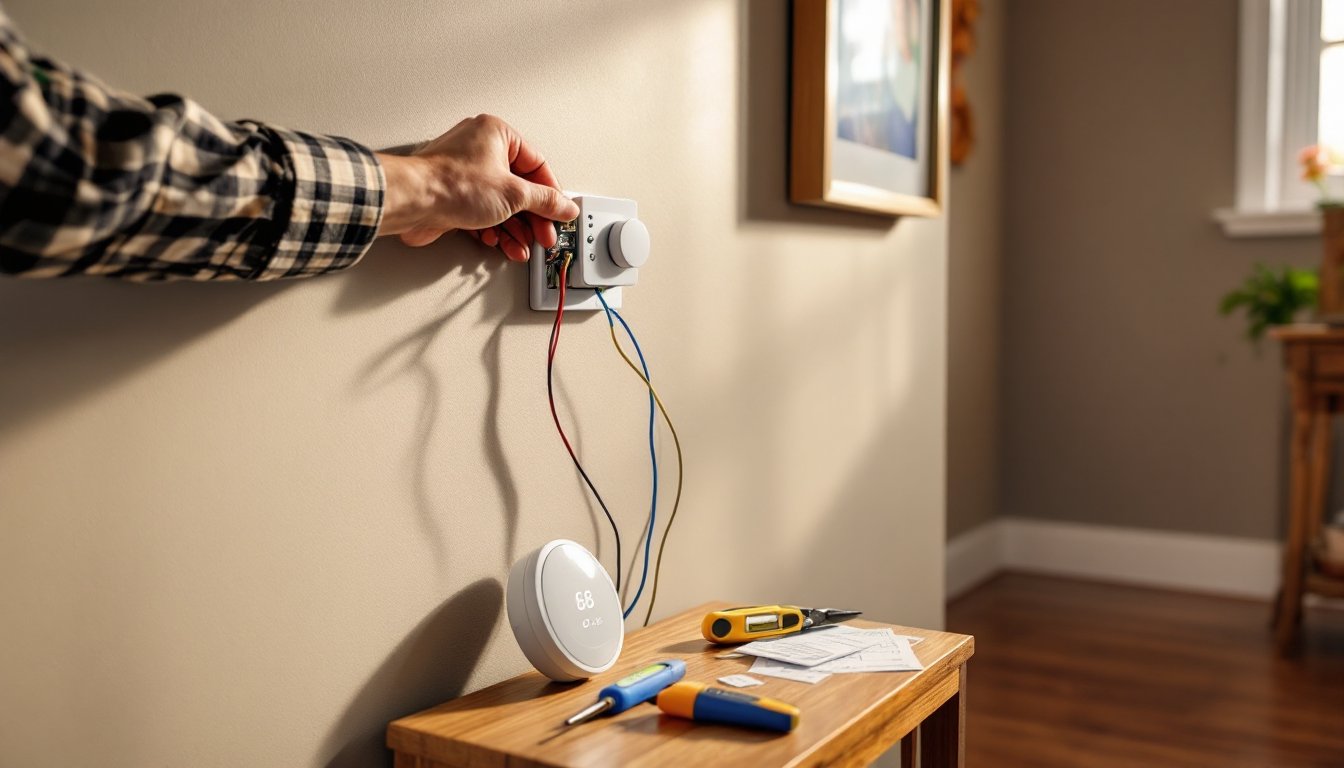
Installation difficulty depends on the system type. Wall-mounted salt-free conditioners are straightforward: cut into the main supply line after the pressure tank (for well systems) or after the main shutoff (for municipal), install the unit with SharkBite-style push fittings or soldered copper, and you’re done. No drain, no electricity, no backwash valve. A confident DIYer with basic plumbing skills can finish in 2–3 hours.
Compact ion-exchange tankless units require a drain line for regeneration brine and a 120V outlet for the control valve. Run the drain to a utility sink, standpipe, or floor drain with an air gap to prevent backflow (required by most plumbing codes). Use 3/4-inch PEX or copper for supply lines to maintain flow rate. If you’re unfamiliar with electrical codes or don’t have a nearby drain, hire a licensed plumber. Many municipalities require a plumbing permit for water treatment equipment tied into the main supply.
Pre-installation checklist:
- Confirm the main line size (usually 3/4-inch or 1-inch)
- Locate a drain within 20 feet (for ion-exchange models)
- Verify clearance for cartridge changes or media replacement
- Check local codes for backflow prevention and air gaps
- Test water pressure: most softeners need 25–80 PSI to function properly
Maintenance for salt-free conditioners is minimal. Replace the TAC media cartridge every 3–5 years, depending on water hardness and manufacturer specs. Some units have a sight glass to monitor media condition. No cleaning, no salt, no adjustments.
Maintenance for compact ion-exchange units includes monthly salt checks, quarterly resin bed cleaners (if iron or manganese is present), and annual valve inspections. Use solar salt pellets or evaporated salt, avoid rock salt, which contains impurities that clog the resin. Clean the brine tank annually to remove sediment buildup.
Safety note: always shut off the main water supply and drain downstream lines before cutting into plumbing. Wear safety glasses when working with PVC cutters, tubing cutters, or saws. If soldering copper, have a fire extinguisher nearby and use a flame shield to protect framing.
Common Problems and Troubleshooting Tips
Low water pressure after installation usually means an undersized unit or a clogged pre-filter. Check the inlet screen for sediment. If the system has a flow restrictor, verify it’s sized correctly for your household demand. Pressure drops of 3–5 PSI are normal: anything above 10 PSI indicates a restriction.
Scale still forming on fixtures suggests the conditioner isn’t working or hardness exceeds the unit’s capacity. Verify flow rate isn’t too high (check GPM rating). For salt-free models, confirm the media hasn’t reached end-of-life. If iron is present above 0.3 ppm, it can coat TAC media and reduce effectiveness, consider adding a sediment or iron filter upstream.
Salty taste or slippery feel (with ion-exchange units) points to over-regeneration or a malfunctioning control valve. Check the hardness setting in the valve’s programming. If it’s set too high, the system regenerates unnecessarily, wasting salt and water. Adjust the hardness value to match your actual test results.
Resin bed fouling happens when iron, manganese, or sediment clogs the beads. Symptoms include reduced capacity and frequent regeneration. Use a resin cleaner (sold as “Iron Out” or similar) per the manufacturer’s instructions. For persistent issues, install a sediment filter (5-micron or finer) before the softener.
Leaks at fittings are common with push-fit connectors if pipes aren’t cut square or deburred. Disassemble, clean the pipe end, ensure it’s fully inserted, and reassemble. If using threaded fittings, wrap threads with Teflon tape (3–4 wraps, clockwise) or apply pipe dope rated for potable water.
Control valve errors (on electronic models) often relate to power interruptions or dead batteries. Most valves have a capacitor that holds settings during brief outages, but extended power loss may require reprogramming. Keep the manual handy and note your settings: hardness level, regeneration time, and backwash duration.
For issues that persist even though troubleshooting, like resin beads in taps, continuous leaks, or control failures, consult a licensed plumber. Water treatment systems interact with household plumbing and water chemistry in complex ways, and professional guidance can prevent costly mistakes.
Conclusion
Tankless water softeners deliver real benefits, space savings, lower maintenance, and scale prevention, without the bulk of traditional systems. They’re not a one-size-fits-all solution, though. Homeowners with severe hardness or those seeking true soft water may still need a traditional ion-exchange softener. For moderate hardness, tight spaces, or a preference for low-maintenance operation, a tankless model is a practical upgrade that protects plumbing and appliances without dominating the utility room.